Topic
The page has content on a specific topic.











Programmatic advertising uses data, targeting, automation, algorithms, and auctions to enable ad delivery across all digital channels. If you are buying ads on web, mobile, connected TV, digital out of home, and digital audio, your ads are programmatically enabled. This is true for search advertising, social media ads, and open web display advertising.

When an ad gets delivered to a device there is an auction that’s held in real time. The ad inventory owner, or publisher, shares data about the user. The advertiser determines the amount that ad impression is worth and places a bid. The winner shows the ad impression to the user. Then, the publisher details back to the advertiser more information about the ad, including how long the ad appeared on the page, the percentage of the ad that was visible, how long the ad was visible, and whether the user clicked.
The auction happens in miliseconds, and it’s repeated billions of times per day all across digital advertising channels.

The programmatic data ecosystem is built off of granular consumer actions that are refined into groupings of consumer behaviors, that are then sold to advertisers. There are seven types of advertising data.
Inferred data is based on browsing behavior. A person routinely searching for, or visiting pages about a small set of topics will be categorized as having interest in that topic. It’s inferred because the person didn’t tell us their interest, but we can gather their interest from their browsing behavior. In a simple example, a person reading about, and watching NBA or the LA Lakers, will be shown to have inferred interest in NBA and the LA Lakers.


Major credit card companies like Visa and Mastercard have declared data. If a person buys Oreos from the grocery store the data is declared. A person took a specific purchase action. Brick-and-mortar stores have this data. Retail media networks like Walmart+ and Kroger have this data. With Retail Media data the advertiser can serve up ads on Walmart’s available ad inventory to people who are interested in specific products sold at Walmart.
This is data owned by the business. The data you own is first party data. This data can consist of site visits, email addresses, app IDs, or any other connection you directly have that can be used for advertising.


Second party data is collected by another business and passed on to you. If you sell at Home Depot, and Home Depot gives you the email addresses of the people who bought your product at Home Depot, that is second party data.
The vast majority of programmatic data is third party data. This data is for sale by companies whose job it is to collect and sell consumer data.


Contextual data identifies the contents of the current webpage or app the user is on. So, if I’m on a page reading about recipes to bake a chocolate cake I’m likely to get an ad for chocolate, sweets, or some other food products.
Audience data about the person, their lifestyle, preferences, and purchase behaviors. Audience data can be inferred or declared.

Data sold by Oracle to an advertiser will be third party data, and either inferred or declared. Data sold by Walmart+ to a business advertising on walmart.com can be second party data.
Topic
The page has content on a specific topic.

URL
Target specific URLs on a website

Keywords
The words on the page match the keywords that are being targeted

Purchases
Products and services a person is in-market for, including recently bought products

Financial Score
Credit reporting agency scores and FICO scores

Travel
Travel related data including airline travel, hotels , and cities visited

Web Searches
Categorization based on web searches

Social Media
The content consumed, shared, and clicked on via top social media platforms; friend graphs and the ideas important to friends

Media Consumption
The TV, radio, streaming, and podcasts people listened to; targetable by show, genre, even commercials seen

Business
Job seniority, company size, company industry, company revenue, job title education level, and professional group affiliations
IP
Ads delivered based on the user's IP address, typically tied to a business

Grocery
Buyer behavior on grocery store loyalty cards

Hyperlocal
Reach people near an address down to 1/4 mile, or people who have shopped at particular stores.

Remarketing
Site visitors, page visitors, social media engagers, abandoned carts, email address retargeting, and viewed a percentage of video content.

Lookalike Targeting
Target people who are similar to the ones in the remarketing audience.

Lifestyle Data
Reach people based on where they live, their income, their purchases, and their profession

Demographics
Age, gender and household income

Daypart Targeting
Target ads based on the time of day or day of week

Device Targeting
Reach people based on the devices, device versions, and operating systems they use.

Geography
Country, state, city, region, and zip code.
The primary use case is delivering ads to people based the data targeting.
Inside demand side platforms audience segments are created and targeted. From there campaign data is used to deliver messages to customers across platforms.
There are four ways programmatic data is used.

Existing programmatic data and past campaign performance is used to determine who to target for upcoming campaigns. Part of the media strate

Deliver your ads across channels to generate interest, create engagement, and capture new sales.
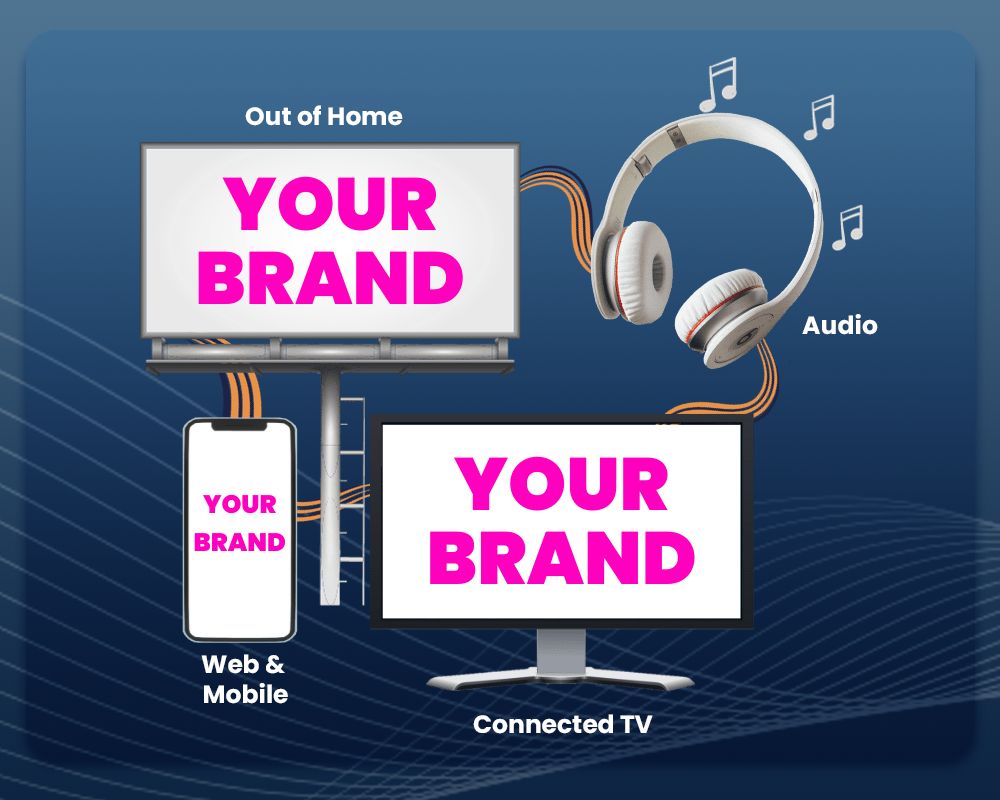
Deliver customized ad messages based the user data available. This can show up as remarketing ads that feature the product that has been recently shopped for.

Understand the individual user segments that perform the best for the campaign. This insight helps businesses create greater investment return on advertising. It also informs on new products and services to offer.
There are hundreds of programmatic data companies available to advertisers. In this section we’ll note the top 50 for US advertisers.
Supercharge your performance media buying 🚀